Loft foam cut out, timbers checked, ventilation restored
Attic spray foam removal in Stafford, done clean and code-correct
Attic spray foam removal in Stafford means cutting out failed open cell and closed cell foam, scraping the rafters back to bare timber and getting your loft back to a state a surveyor or mortgage lender will accept. We have worked Stafford lofts since 2022, from Baswich bungalows to Victorian terraces near the town centre. If a surveyor has flagged your foam, or you have spotted damp under it, we will assess it and quote the same week.
Live phone supportUpfront optionsBacked workmanship
What's included
What our Attic spray foam removal includes
Every removal is quoted as a complete job, not a list of extras. Containment, cutting, extraction, timber cleaning, ventilation checks, disposal and the photographic evidence pack are all in the price. The only things quoted separately are structural repairs we find once the foam is off, and you approve those before we start them.
Full loft containment
Protective sheeting across floors, stairs and landing, a sealed hatch and a running air scrubber. Foam dust and isocyanate residue stay in the loft. On a typical Stafford semi, set-up takes about an hour before any cutting begins.
Foam cutting and extraction
Foam is cut into blocks with an oscillating multi-tool, freed with an industrial scraper and vacuumed out with a spray foam removal vacuum. A 40 square metre loft takes two to three days with a two-person crew.
Timber clean and moisture check
Rafters are scraped back to bare timber and checked with a moisture meter. A thermal imaging camera confirms where damp is still sitting. You get the readings in writing, before and after, which is what surveyors want to see.
Ventilation reinstated
We clear the eaves, check the felt laps and confirm air moves from soffit to ridge. Reduced loft ventilation is the root cause of most foam-related damp, so this is treated as part of the removal, not an optional add-on.
Licensed disposal
Foam, wool and debris are bagged and segregated on site, then sent through a licensed waste route. You receive the disposal record with your handover pack, which matters if a lender or buyer asks how the material was handled.
Photographic evidence pack
Dated photographs of the bare roof structure, felt and eaves, plus moisture readings and a short written summary. Most customers receive this within 24 hours of the final day. It is the document that unblocks lending and satisfies surveyors.
Service overview
What Attic spray foam removal in Stafford actually involves
Attic spray foam removal in Stafford is the controlled cutting, scraping and extraction of sprayed polyurethane foam from the underside of a roof deck or between rafters, followed by cleaning the timber and reinstating airflow. Foam is not peeled off like wallpaper. We cut it into manageable blocks with an oscillating multi-tool, prise it free with an industrial scraper, then vacuum the residue with a spray foam removal vacuum before bagging it for licensed disposal. On a typical 40 square metre Stafford loft that is a two to three day job for a two-person crew.
Most foam we pull out of Stafford lofts was installed between 2010 and 2018 under a government-backed insulation push. Icynene, Lapolla and Demilec products were sprayed straight onto the roof deck, and because they seal the loft completely, warm moist air from the house can no longer escape. That is when hidden damp starts, roof timber rot follows, and a mortgage lender refusal lands on your desk at the worst possible moment. If you have been searching for attic spray foam removal in Stafford near me, the fix is removal plus proper ventilation, not another layer of insulation on top.
How we workWe verify the cause, compare realistic options, and confirm the repair before we leave.
The service timeline
How our attic foam removal process runs
The process flexes to the condition, but these checkpoints keep decisions clear.
Loft survey
We inspect the loft, measure the foam coverage, check timber moisture with a moisture meter and photograph everything. You get a fixed quote the same week, usually within 48 hours of the visit. If the foam is only in part of the loft, we tell you that and price only what needs removing.
Containment set-up
Before any cutting starts we lay protective sheeting over floors, stairs and landing, seal the loft hatch and set an air scrubber running. Foam dust and isocyanate residue stay in the loft, not in your bedrooms. This stage takes around an hour on a typical Stafford semi.
Foam cutting and extraction
Crews in respirators cut the foam into blocks with an oscillating multi-tool, free it with an industrial scraper and vacuum the residue with a spray foam removal vacuum. A 40 square metre loft takes two to three days. We work room by room so you can see progress each evening.
Timber clean and check
Once the foam is out we clean the rafters, inspect for rot and treat any early decay. A thermal imaging camera confirms where moisture is still sitting. If a rafter needs sistering or replacing, we flag it with photographs and a price before we touch it.
Ventilation and handover
We clear the eaves, confirm airflow and leave the loft swept and bagged. You get a photographic record of the bare roof structure, which is what surveyors and lenders ask for. Most customers receive that pack within 24 hours of the final day on site.
Tools & methods
Tools and methods we use
Purpose-built equipment, used by trained technicians, so the job is done accurately the first time.
Oscillating multi-tool
Cuts foam into manageable blocks without shock-loading the rafters. It is the first tool in on most lofts because it gives a clean cut line and lets us work close to the felt.
Industrial scraper
Prise the cut blocks away from timber once they are separated. Used with controlled force so older Staffordshire rafters are not gouged or split.
Spray foam removal vacuum
Captures residue, crumbs and dust at the point of cutting. It keeps the loft air clear and stops foam particles migrating down through the hatch into living space.
Dry ice blasting machine
Freezes and cracks brittle or thin foam coatings off the timber. It leaves no blasting media behind, which suits lofts where the felt is delicate or already lifting.
Sand blasting equipment
Grinds stubborn closed cell foam off rafters using a controlled media. We seal the loft and run an air scrubber throughout, because the media and dust must not reach the rest of the house.
Thermal imaging camera
Shows where moisture is still sitting in the roof structure after removal. It is how we confirm a loft is genuinely drying out rather than just looking dry on the surface.
Moisture meter
Gives a numeric reading for every rafter we check, before and after removal. Those readings go into your evidence pack and are what surveyors and lenders actually read.
Use cases
When to book Attic spray foam removal
These examples show how the service framework adapts rather than forcing every call through one repair.
Town centre terrace, part-loft removal
Foam only in the two bays nearest the ridge, but that was enough to seal the loft and cause damp staining on a bedroom ceiling. Access was a small hatch with limited headroom, so a full strip-out was never needed. → Targeted removal of the affected bays in a day and a half, timbers cleaned and checked, ventilation restored across the whole loft. The ceiling stain was treated and dried out. Cost came in well below a full strip-out because we only removed what was failing.
Wildwood bungalow, closed cell removal
Dense closed cell foam applied by a previous owner, bonded hard to the rafters and pushing the felt out of line near the ridge. A remortgage had stalled because the lender wanted evidence the foam had been dealt with. → Closed cell foam removed over four days using sand blasting media on the stubborn sections, rafters cleaned back to bare timber, felt inspected and photographed. The evidence pack was issued within 24 hours and the lender released funds the following week.
Problems we solve
Problems our Stafford foam removal solves
Foam that has been in a loft for a decade causes a predictable set of problems. Here are the ones we see most often across Stafford and how we deal with them.
Mortgage lender refuses to lend on a foam-insulated loft
We remove the foam, clean the rafters and provide dated photographs of the bare roof structure with moisture readings. Stafford homeowners have used that pack to get lending reinstated, often within two weeks of the work finishing.
Hidden damp and roof timber rot under sealed foam
We cut the foam out, check every rafter with a moisture meter and treat early decay. A thermal imaging camera shows where moisture is still sitting. If a rafter needs sistering, we photograph it and quote before touching it.
Reduced loft ventilation and condensation
Removal is only half the job. We clear the eaves, check the felt laps and confirm air is moving again before we leave. That is what stops the condensation returning once the foam is gone.
Structural damage from foam expansion
Taking the foam out removes the load and lets us inspect what the expansion has done. We photograph any distortion and, where the roof covering has moved, recommend a roofer before the damage spreads further.
Pricing process
What Attic spray foam removal costs
£1,800 - £4,500 depending on scope, with most Stafford jobs between £2,400 and £3,200
Foam type
Open cell foam cuts and vacuums out quickly. Closed cell foam is denser, bonds harder to timber and often needs dry ice blasting or sand blasting media, which adds a day or more to the programme and more disposal weight.
Coverage area
Price scales with square metres of roof deck, not loft floor. A 20 square metre part-loft is a very different job from a 60 square metre full strip-out, and we measure the actual foam coverage during the survey.
Access and headroom
Shallow Victorian lofts with small hatches take longer to contain and work in. Where we need a ladder platform instead of a full board-out, expect roughly half a day extra on a typical town centre terrace.
How much does Attic spray foam removal cost in Stafford?
Typical 2026 pricing in Stafford runs from around £1,800 for a small part-loft to £4,500 for a full 60 square metre roof deck, with most jobs landing between £2,400 and £3,200. Access, foam type and whether the timbers need treatment drive the number. You get a fixed written quote after the survey, so the figure does not move once work starts.
Can you remove spray foam from my attic in Stafford?
Yes. We remove open cell and closed cell spray foam from Stafford lofts using cutting tools, industrial scrapers and a spray foam removal vacuum, then clean the timbers and restore ventilation. We have worked on Icynene, Lapolla, Demilec, BASF and Huntsman foams. If the foam is only on part of the roof deck, we remove only that section and leave sound insulation in place.
Is attic insulation removal available in Staffordshire?
Attic insulation removal Stafford Staffordshire wide is available, covering Stafford, Baswich, Weeping Cross, Wildwood, Doxey, Derrington and the surrounding villages. We also take on larger commercial and warehouse foam jobs across the county. Call 0333 567 2543 with your postcode and we will confirm a survey slot, usually within a few working days.
Will removing the foam damage my roof?
No, when it is done with the right tools. We cut and prise the foam rather than pulling it, which protects the felt and rafters underneath. Roughly one in five Stafford lofts we open has some existing rot where foam has held moisture, and we photograph that and quote any timber repairs before touching them. The roof is left cleaner and better ventilated than we found it.
Related services
Related Services
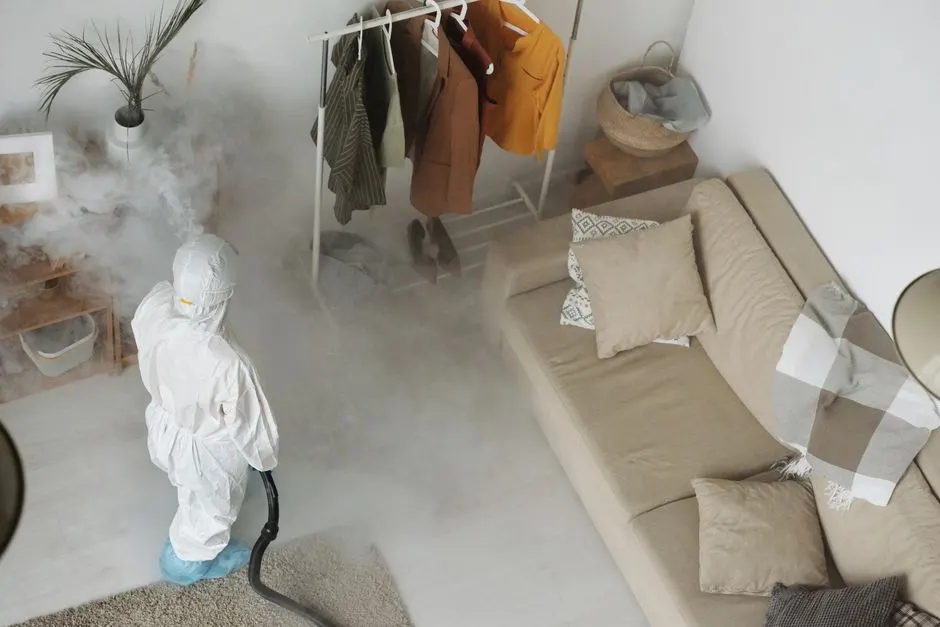
Spray Foam Removal near me
If you are searching for spray foam removal near me in Stafford, this is the same crew and the same equipment that handles attic work, just scoped to wherever the foam sits in your property. We survey first, then quote the removal.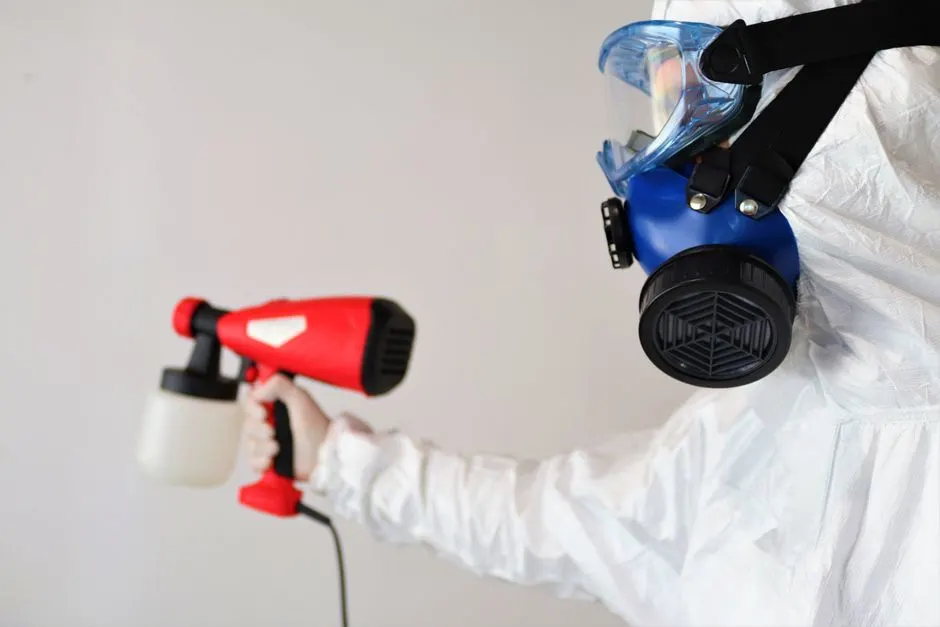
same day Spray Foam Removal
For active leaks or a surveyor deadline, we offer same day spray foam removal in Stafford where the loft is accessible and the foam is already failing. Call before 10am and we can often have a crew on site the same afternoon.
24/7 Spray Foam Removal
Water coming through a foam-sealed roof deck does not wait for office hours. Our 24/7 spray foam removal line covers Stafford for emergency call-outs, with containment and make-safe work done first and full removal scheduled straight after.Ready when you are
Book Attic spray foam removal in Stafford this week
We survey, quote and remove, and you get the photographic evidence pack your lender or surveyor needs. Call 0333 567 2543 and we will book your loft survey, usually within a few working days.
Talk with the local team
Request Attic spray foam removal
Ring 0333 567 2543 any time, day or night, and you will speak to someone who knows Stafford roofs. For non-urgent jobs, email us a photo of the foam and we will come back with a survey slot, usually within one working day. We cover the whole of Stafford and Staffordshire.